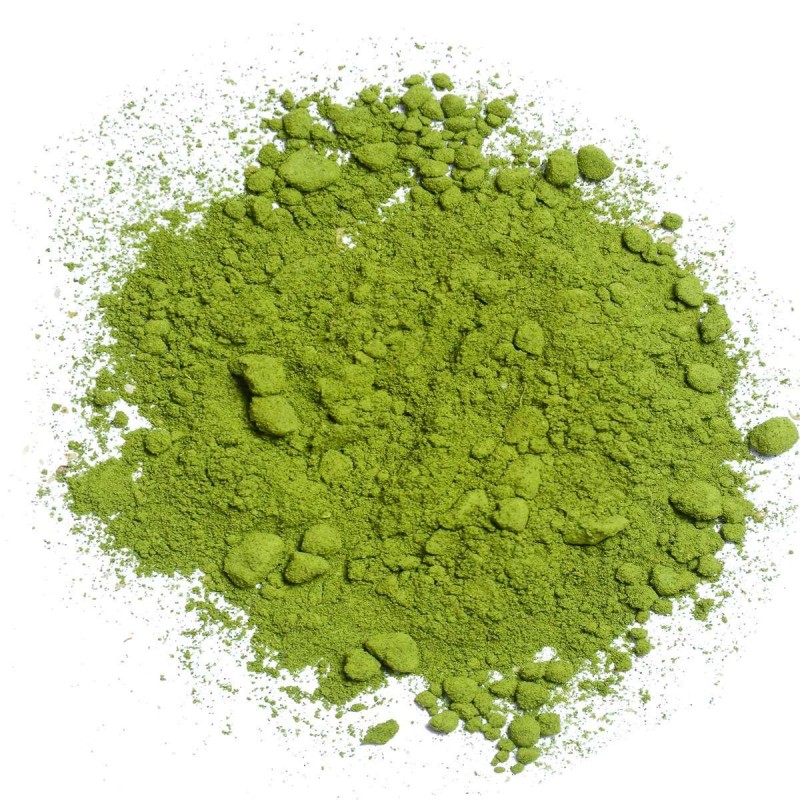
Here are some of the many benefits of Matcha
1. Boosts Cognitive Function
Matcha contains caffeine and the amino acid theanine. Research shows this combination can help improve memory, alertness, attention, and concentration.
Initial research links theanine in matcha with neuroprotective effects, suggesting it may slow age-related cognitive decline.1 In one study, 12 weeks of daily matcha use reduced signs of decline in older adults, especially women.
2. Helps Manage Stress and Anxiety
Research shows that daily matcha consumption eases psychological stress and anxiety. In one study, participants who took 3 grams (g) of matcha daily for 15 days reduced stress and anxiety levels compared to a placebo.
The impact on stress and anxiety may be a result of the combined effect of theanine and arginine (another amino acid) in matcha tea. However, more research is needed.
3. Reduces Oxidative Stress
Matcha contains catechins (natural plant chemicals). Along with this tea’s vitamin C and flavonoids, catechins neutralize free radicals that cause oxidative stress, an overabundance of free radicals compared to helpful antioxidants, which can have harmful effects.
Daily matcha supplies your body with antioxidants to lower the risk of certain chronic diseases related to oxidative stress, such as chronic obstructive pulmonary disease (COPD), viral and bacterial infections, and cancers.
4. Improves Heart and Blood Vessel Health
Studies show that matcha can support the heart and blood vessels. The antioxidant and anti-inflammatory properties of the catechins in matcha help reduce inflammation in heart muscles or blood vessels caused by disease.
Catechins may also reduce blood total cholesterol, low-density lipoprotein (LDL) cholesterol (“bad” cholesterol), and triglycerides. When too high, these fats in your blood can increase the risk of heart or other cardiovascular diseases and complications. Drinking matcha can help reduce the risk.
5. Helps Manage Blood Sugar
Studies suggest that matcha may boost your body’s sensitivity to insulin, the hormone produced in the pancreas that regulates sugar in your blood. Some research suggests that drinking matcha may help reduce the risk of developing prediabetes and type 2 diabetes, conditions that affect the body’s ability to break down sugars.